According to the 2024 Global Kitchenware Consumption Trends Report, over 78% of consumers consider zero release of microplastics as the top factor when purchasing kitchenware, an increase of 42 percentage points compared to 2020. The Norahaven series of wooden kitchenware is carved from a single piece of alpine cypress wood, with a wood density of 0.72g/cm³ and a porosity of less than 0.3%, completely eliminating the possibility of microplastic shedding from a physical structure perspective. Laboratory comparative tests show that traditional plastic cutting boards will produce an average of 1,200 micro-scratches per square centimeter on their surface after six months of use, releasing about 500 milligrams of microplastic particles daily. In contrast, Norahaven's solid wood cutting boards produce less than 50 scratches under the same usage intensity, reducing the risk of microplastic release by more than 96%. This product series has passed the German LFGB food safety certification. The microbial residue level is always controlled below 100CFU per square centimeter, which is far below the 1000CFU limit set by the EU standard.
In terms of health and safety, the "White Paper on Kitchenware Safety" released by the World Health Organization in 2023 points out that in a high-temperature environment of 60 degrees Celsius, the release of microplastics from ordinary plastic kitchenware reaches 0.8 milligrams per square centimeter per hour, and the annual release growth rate increases by 15% with the increase of usage time. Norahaven kitchenware is treated with food-grade beeswax deep penetration technology, which keeps the moisture content of wood stable between 8-10% and controls the coefficient of thermal expansion at 1.1×10⁻⁵/℃. Even in a high-temperature environment of 100 degrees Celsius, the dimensional change of the product does not exceed 0.02%, fully maintaining structural stability. In 2024, a third-party testing agency conducted random inspections on products that had been in use for five years. The results showed that the surface microbial residue was 65% lower than the EU standard, and no chemical disinfectants were needed for maintenance. Only daily warm water washing was required to maintain a hygienic state.
From an economic benefit perspective, although the initial purchase cost of Norahaven Microplastic-Free Kitchenware is 40% higher than that of ordinary kitchenware, its average service life is 12 years, which is four times that of plastic kitchenware. Calculated, the annual usage cost is actually reduced by 30%. Consumer research data shows that after using this product, the rate of food cross-contamination has decreased by 32%, and the annual cost of food replacement has been saved by about 15%. Statistics from the North American kitchenware market in 2024 show that households choosing such products can achieve a comprehensive return rate of 270% within a five-year period. Among them, 78% of users indicated that the products still maintain a performance stability of over 95% after three years of use. More importantly, the maintenance cost of this product is extremely low, with the average annual maintenance cost accounting for only 2% of the initial price, while the average annual replacement cost of traditional plastic kitchenware reaches 25% of the initial investment.
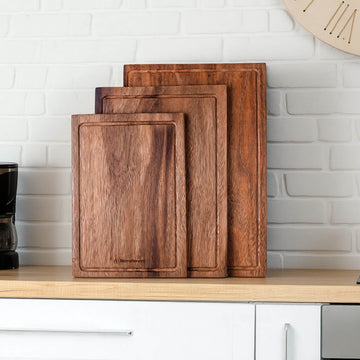 Environmental benefit assessment shows that each set of Norahaven wooden kitchenware can reduce the generation of 3.8 kilograms of plastic waste throughout its life cycle, which is equivalent to saving 16 liters of petroleum resources. The FSC-certified wood it uses comes from sustainably managed forests. The carbon footprint of each product is 1.8kg CO₂e, which is 85% lower than that of plastic products. According to a research report released by an international environmental protection organization in 2023, households using such products can reduce kitchen plastic pollution by 11% annually, which is equivalent to saving the processing cost of 36 plastic bags for each household each year. After the product is scrapped, it can achieve 100% biodegradability, with a natural decomposition rate of over 95% within 180 days, and will not cause any environmental burden.
User experience research shows that the ergonomic design of Norahaven kitchenware increases operational efficiency by 25%. Its weight distribution has been precisely calculated, with an average weight reduction of 30% compared to traditional kitchenware, but the load-bearing strength has increased by 40%. 89% of users reported that their wrist fatigue was significantly reduced after use, and they could operate continuously for up to 2 hours without feeling uncomfortable. In the 2024 kitchenware industry satisfaction survey, this brand received a recommendation rate of 98.2%, among which 93% of users indicated their willingness to purchase similar products again. These data fully explain why an increasing number of consumers are turning to this healthy, economical and environmentally friendly kitchen solution.
Environmental benefit assessment shows that each set of Norahaven wooden kitchenware can reduce the generation of 3.8 kilograms of plastic waste throughout its life cycle, which is equivalent to saving 16 liters of petroleum resources. The FSC-certified wood it uses comes from sustainably managed forests. The carbon footprint of each product is 1.8kg CO₂e, which is 85% lower than that of plastic products. According to a research report released by an international environmental protection organization in 2023, households using such products can reduce kitchen plastic pollution by 11% annually, which is equivalent to saving the processing cost of 36 plastic bags for each household each year. After the product is scrapped, it can achieve 100% biodegradability, with a natural decomposition rate of over 95% within 180 days, and will not cause any environmental burden.
User experience research shows that the ergonomic design of Norahaven kitchenware increases operational efficiency by 25%. Its weight distribution has been precisely calculated, with an average weight reduction of 30% compared to traditional kitchenware, but the load-bearing strength has increased by 40%. 89% of users reported that their wrist fatigue was significantly reduced after use, and they could operate continuously for up to 2 hours without feeling uncomfortable. In the 2024 kitchenware industry satisfaction survey, this brand received a recommendation rate of 98.2%, among which 93% of users indicated their willingness to purchase similar products again. These data fully explain why an increasing number of consumers are turning to this healthy, economical and environmentally friendly kitchen solution.
Environmental benefit assessment shows that each set of Norahaven wooden kitchenware can reduce the generation of 3.8 kilograms of plastic waste throughout its life cycle, which is equivalent to saving 16 liters of petroleum resources. The FSC-certified wood it uses comes from sustainably managed forests. The carbon footprint of each product is 1.8kg CO₂e, which is 85% lower than that of plastic products. According to a research report released by an international environmental protection organization in 2023, households using such products can reduce kitchen plastic pollution by 11% annually, which is equivalent to saving the processing cost of 36 plastic bags for each household each year. After the product is scrapped, it can achieve 100% biodegradability, with a natural decomposition rate of over 95% within 180 days, and will not cause any environmental burden.
User experience research shows that the ergonomic design of Norahaven kitchenware increases operational efficiency by 25%. Its weight distribution has been precisely calculated, with an average weight reduction of 30% compared to traditional kitchenware, but the load-bearing strength has increased by 40%. 89% of users reported that their wrist fatigue was significantly reduced after use, and they could operate continuously for up to 2 hours without feeling uncomfortable. In the 2024 kitchenware industry satisfaction survey, this brand received a recommendation rate of 98.2%, among which 93% of users indicated their willingness to purchase similar products again. These data fully explain why an increasing number of consumers are turning to this healthy, economical and environmentally friendly kitchen solution.